LimeRoad · Fashion · 2018
Solving fashion for the next billion.
As Head of Design, I led the team that turned shopping into a feed curated by people.
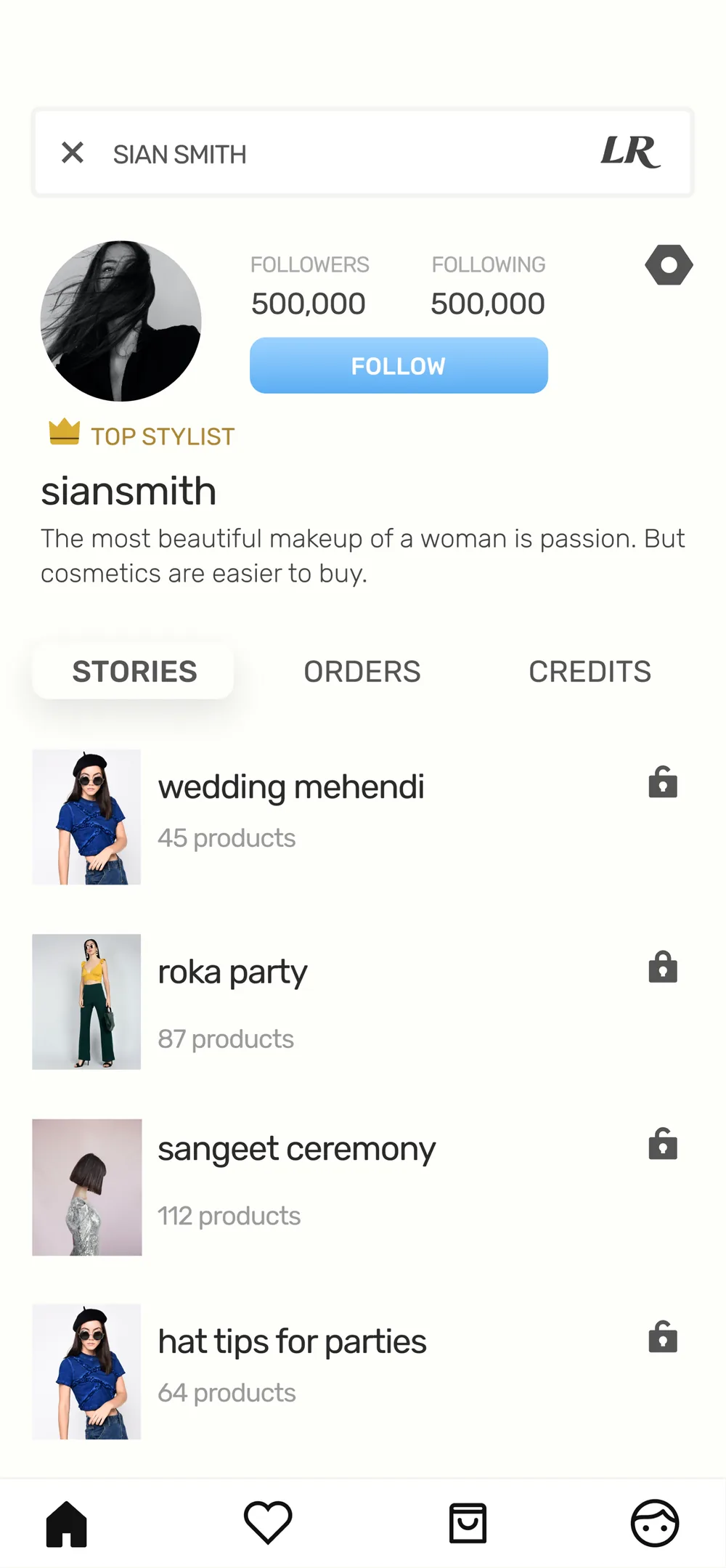
Fashion is a high-latency purchase. In India, most of it happens at unbranded retail, while online players push brands and events. None of it answers the question every shopper is quietly asking. Is this me?
The brief
Solve for cognitive dissonance, so people stay invested in fashion.
The core user
Fashion grows up with you.
Every inflection point in a fashion journey is a moment of self-awareness. What people wear changes with who they are becoming.
01 · Starting college
“I want to fit in.”
Fashion as belonging
02 · Being recognised by your group
“I want to be noticed.”
Fashion as signal
03 · Independence, with a first job
“I can choose for myself.”
Fashion as choice
04 · A deeper sense of self
“This is who I am.”
Fashion as identity
The insight
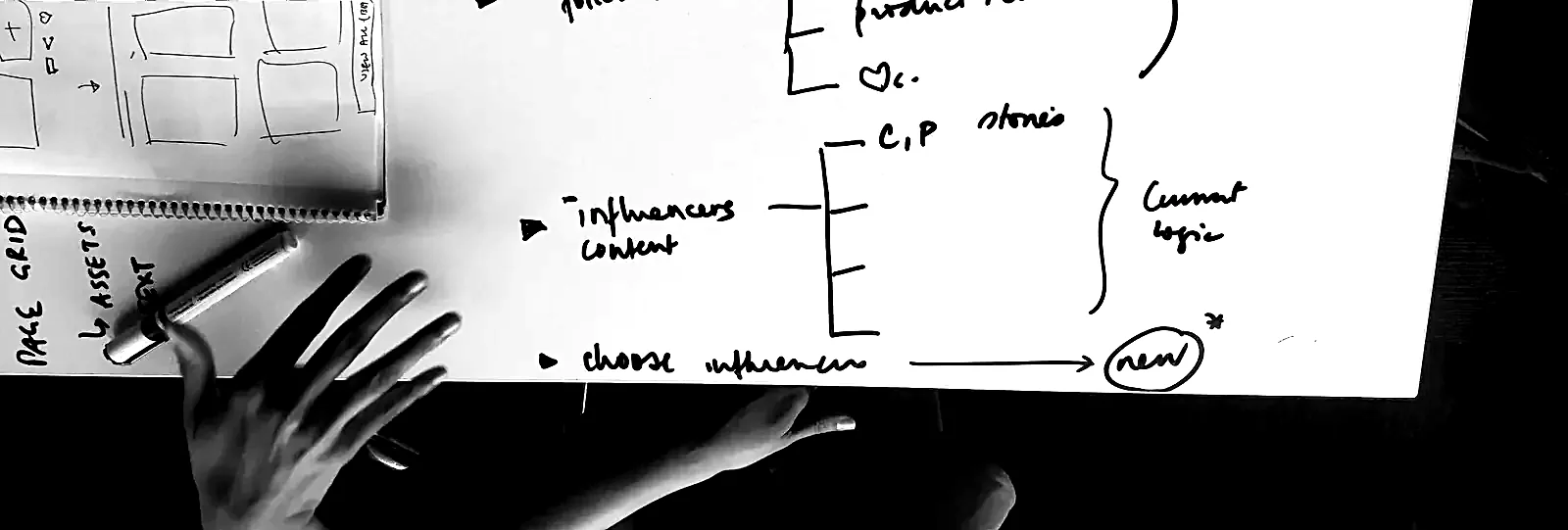
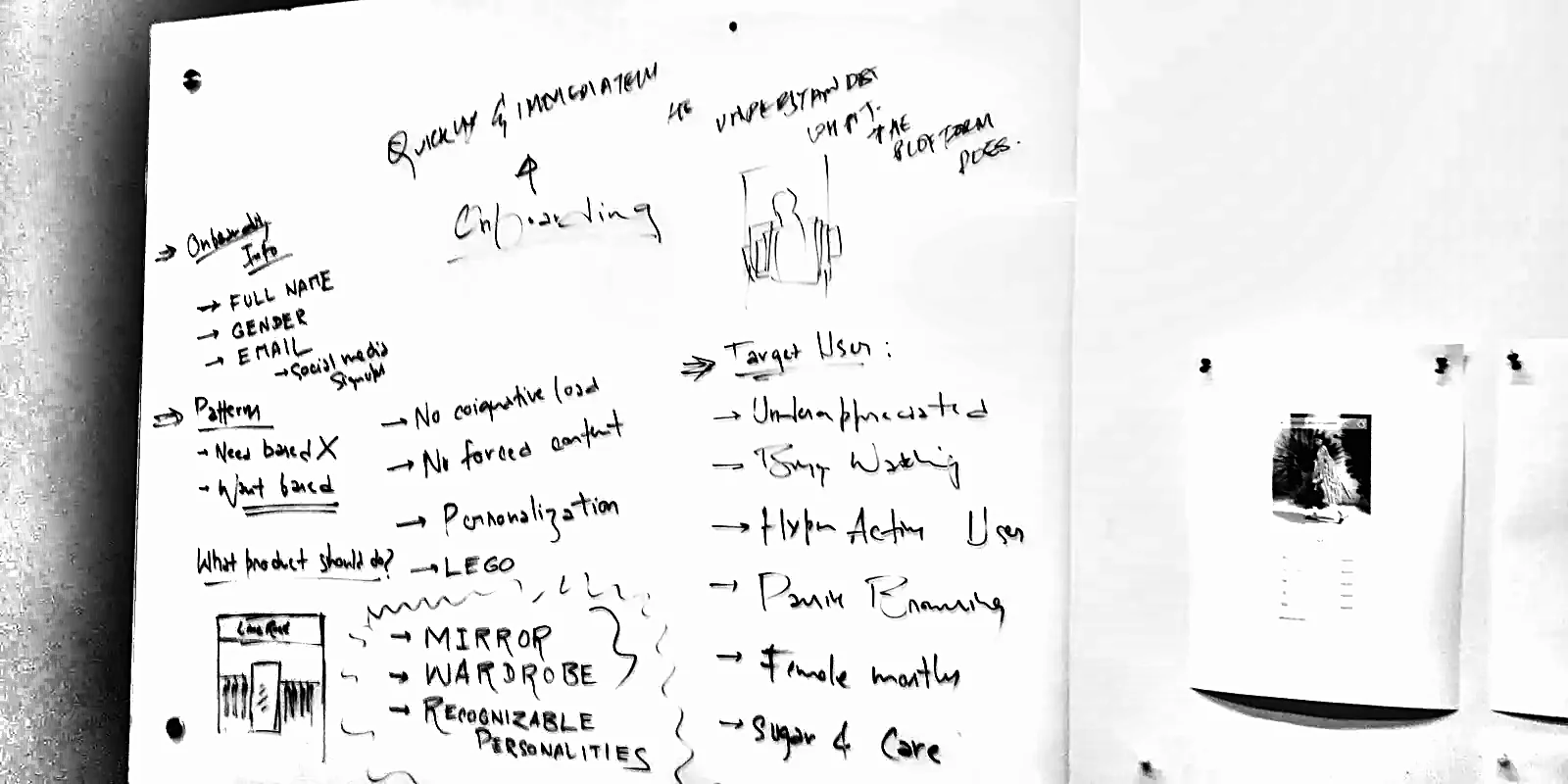
Our core user consumes fashion like a feed, in the idle minutes of the day.
Research
Fashion as a feed.
01 / 04
Fashion is consumed as a feed.
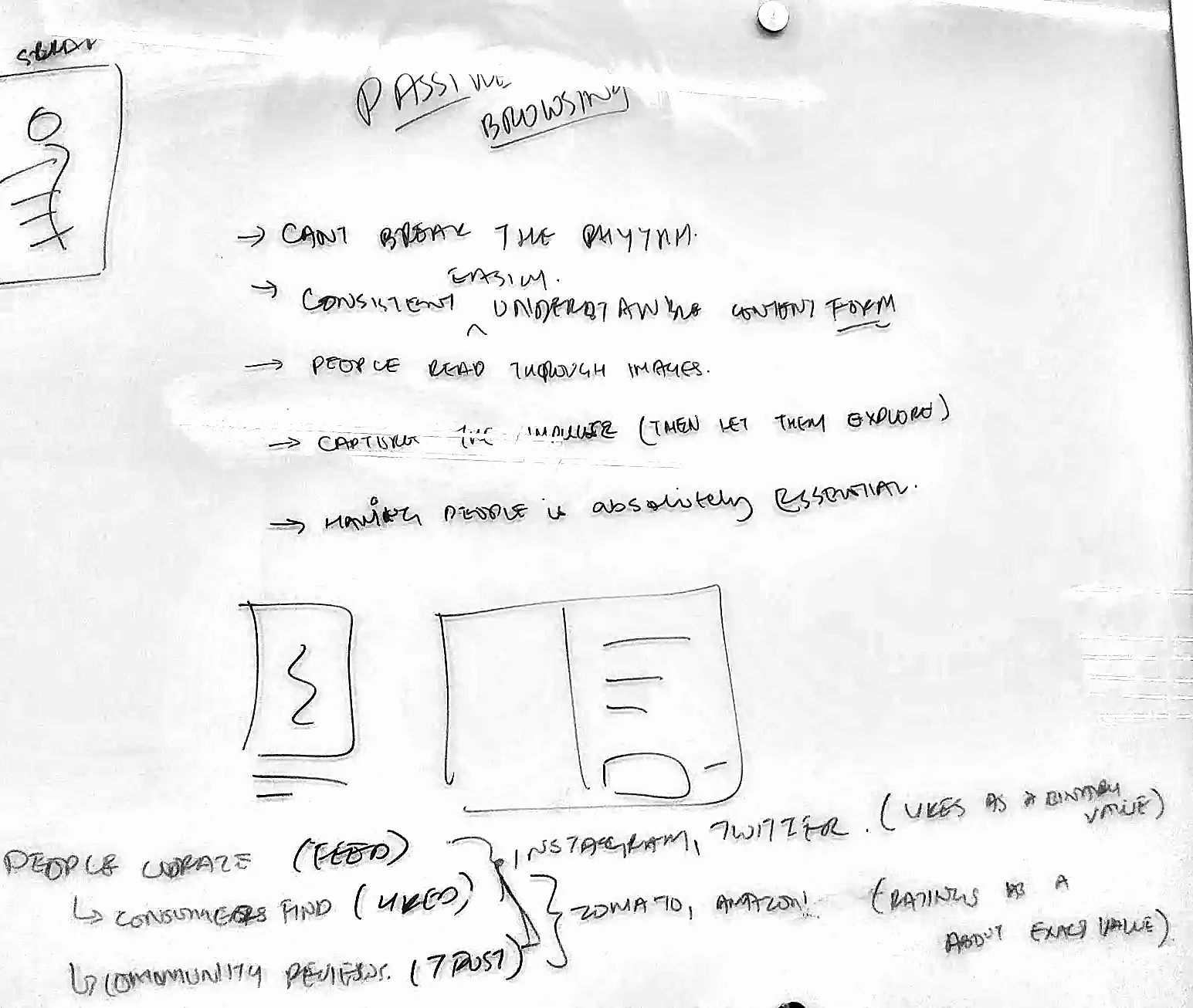
People curate. Others find through likes. Reviews build trust.
02 / 04
People skim and scan, passively.
Never break the rhythm. Let images do the reading.
03 / 04
People, not brands, curate.
Influencers bring the content. Everyone responds in a tap.
04 / 04
It must be understood instantly.
Like a mirror, a wardrobe, a face you recognise.
Gregarious and simple
It was people, not platforms, that helped fashion make sense. So we started with people.
We prototyped feeds with layers of validation.
Single-image lists, category banners, ramp-walk videos.
Most failed in crowded metro trains and busy offices.
One survived. Stories, curated by people.
1 of 4
Curated by people
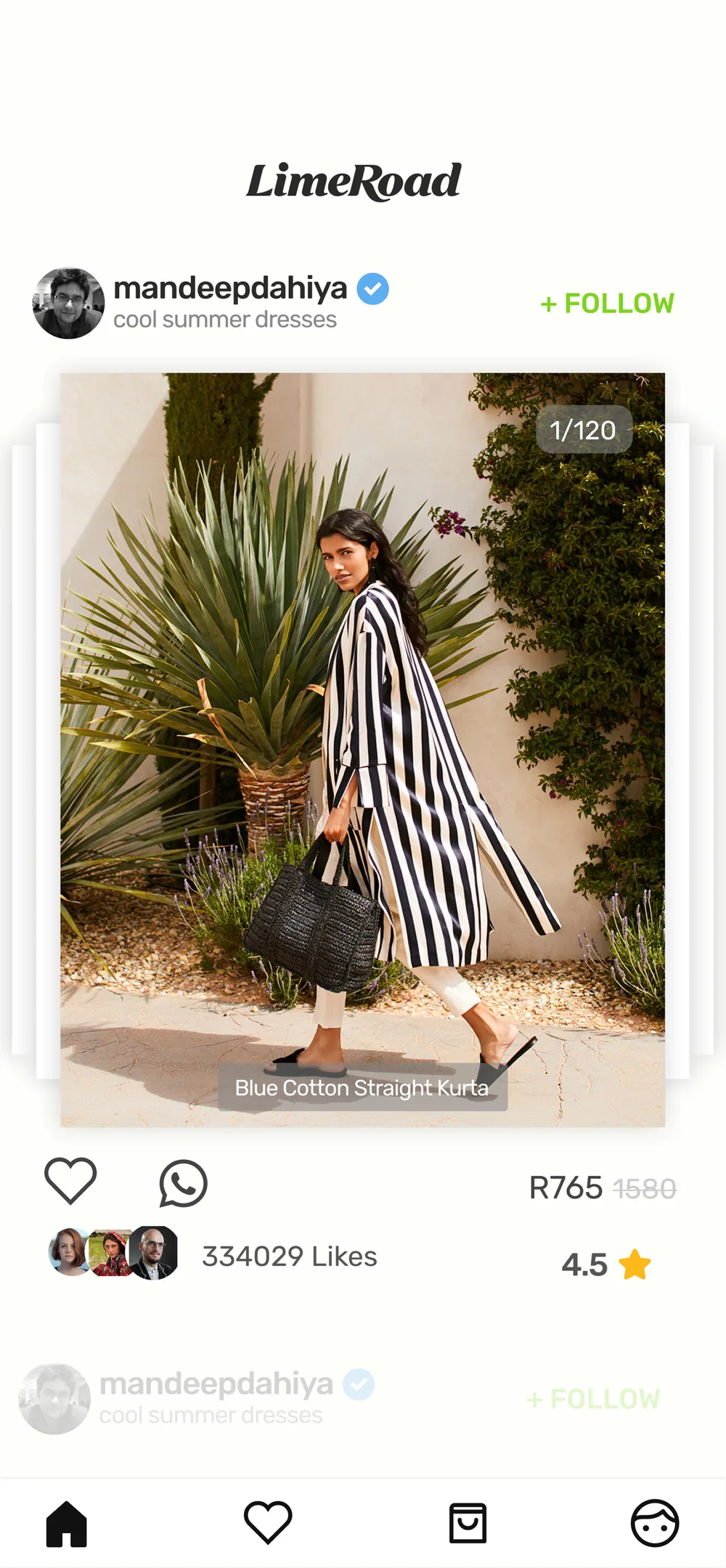
Every story comes from a person, not a brand. Follow the ones whose taste you trust.
2 of 4
Stories, not catalogues
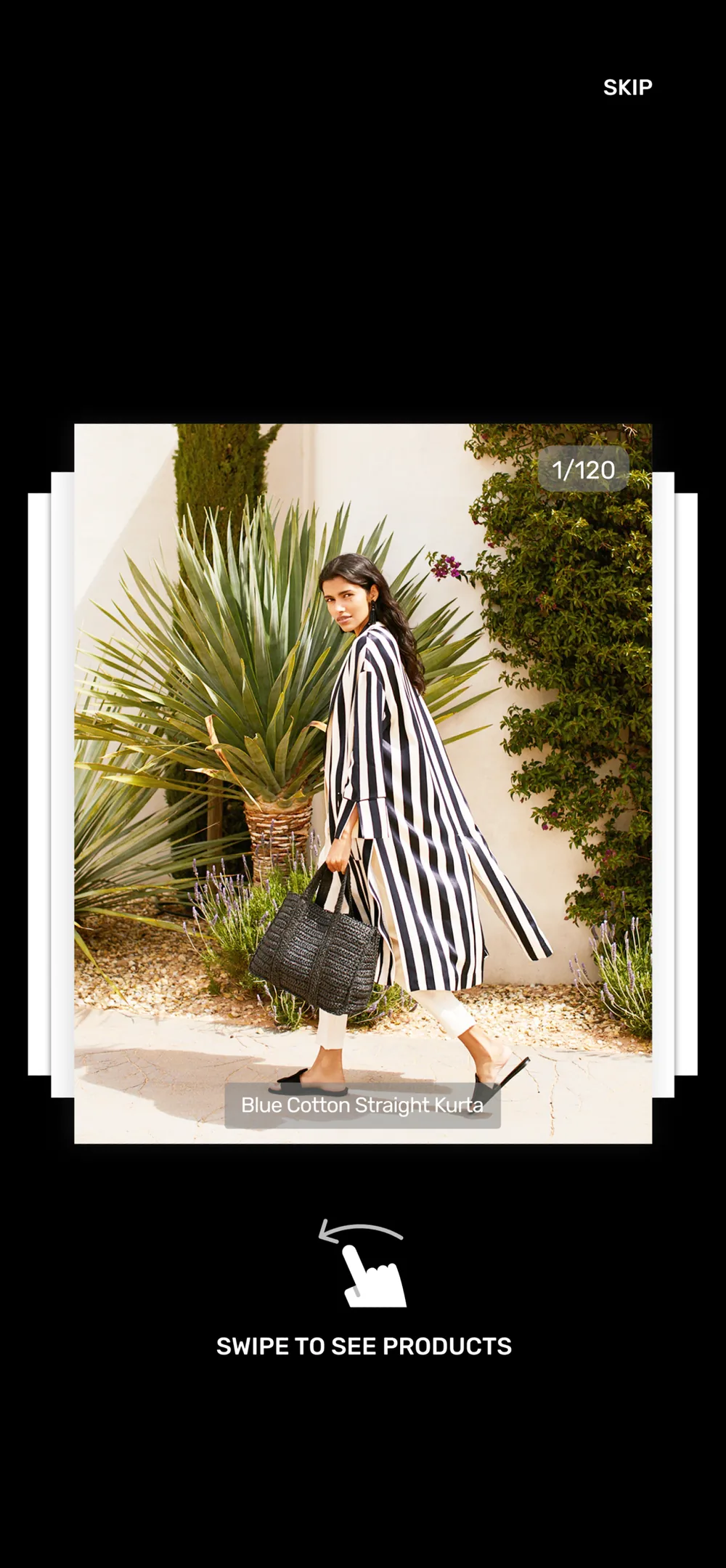
A story is a collection of products put together by someone. This one holds 120.
3 of 4
One-tap expression
Like to shortlist it. Share it to a friend on WhatsApp.
4 of 4
Crowd wisdom
Likes, familiar faces and ratings help you decide faster.
Natural orientation and memetic behaviour
People already knew how to shortlist.
1 of 4
Skim, scan, choose
Like flicking through a wardrobe in a store, people skim and scan, then reject or accept.
2 of 4
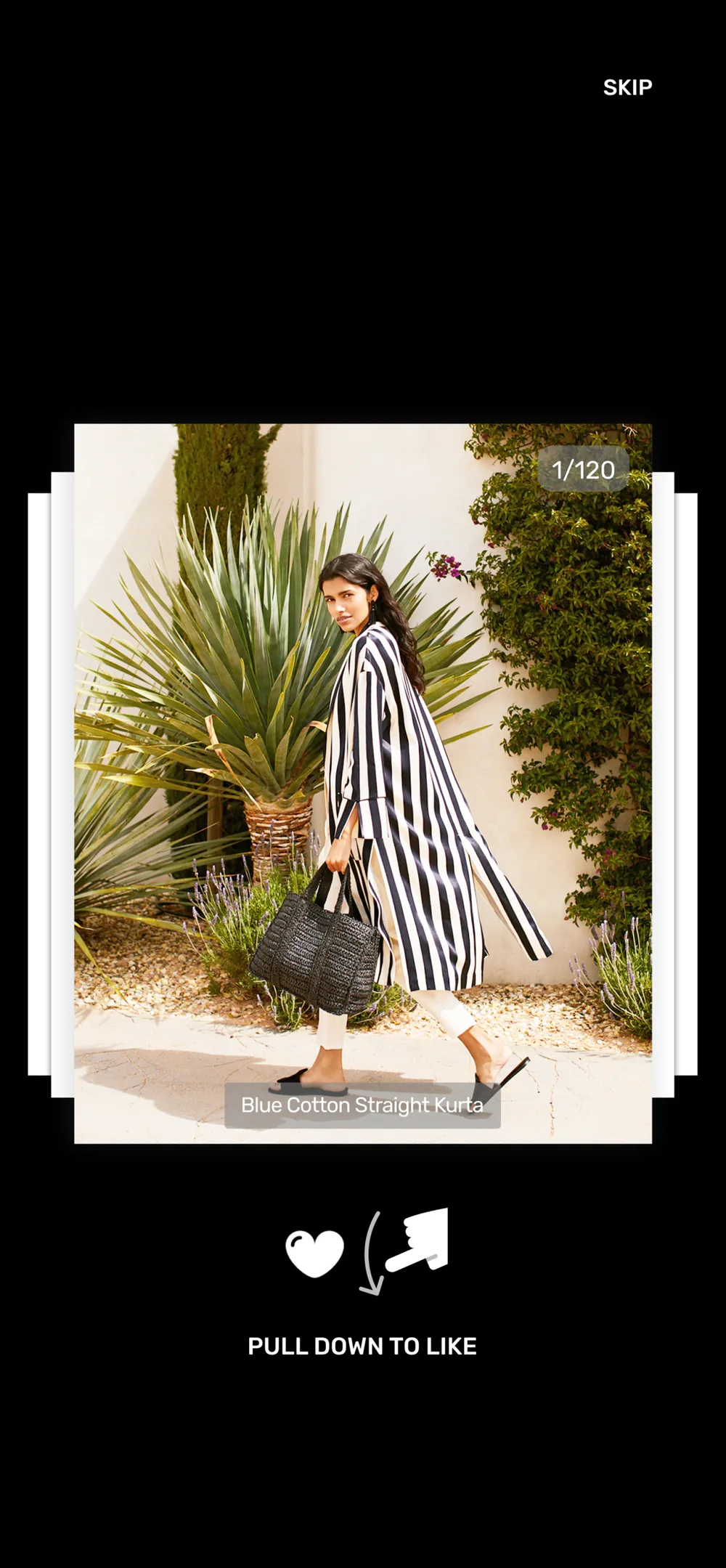
Pull down to like
Liking was the most quickly understood interaction in fashion, across geographies and age groups. A like is a shortlist.
3 of 4
Save to a wardrobe
Shortlists become wardrobes, saved for better purchases and shared much like playlists.
4 of 4
Wardrobes, out in the open
Shared wardrobes give social validation and, more importantly, create an organic feed.
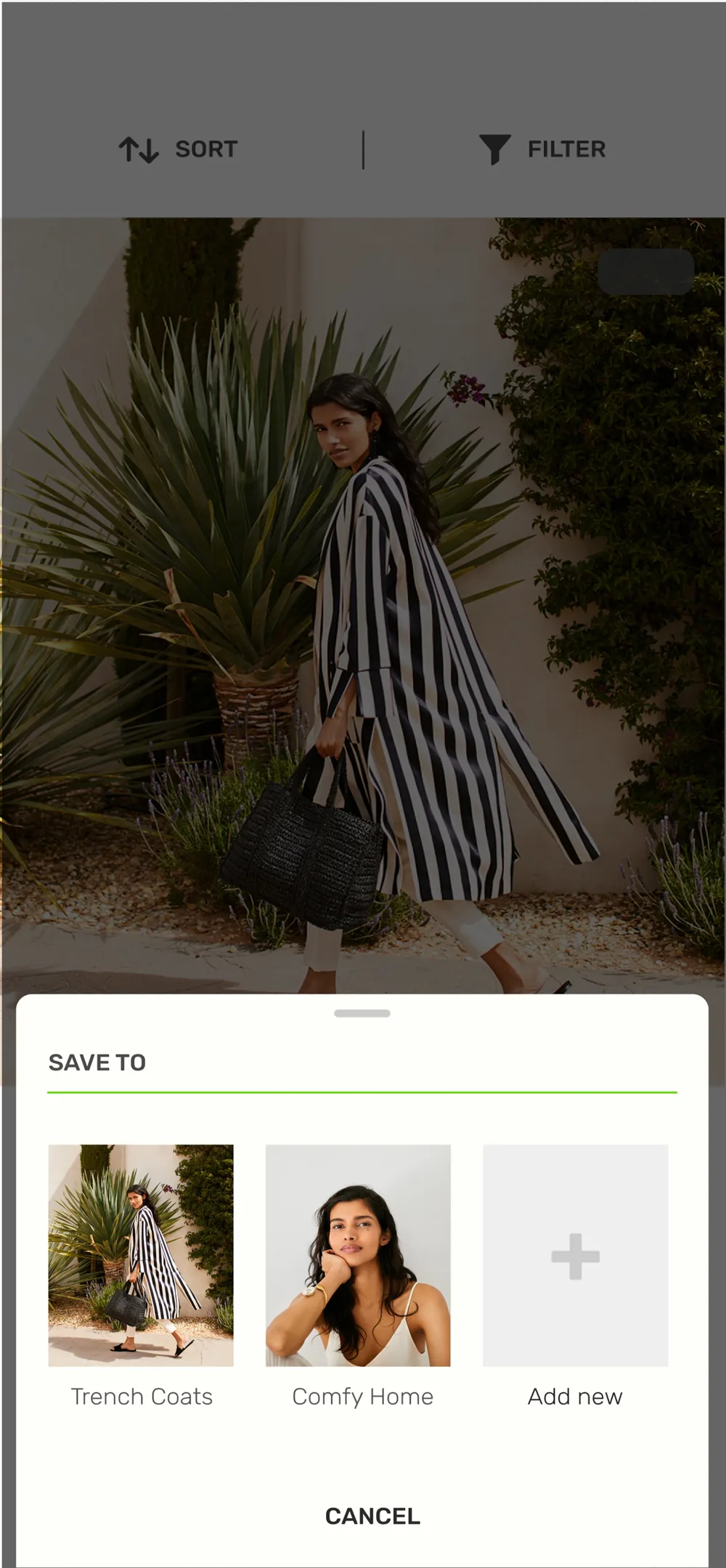
In testing
Immediately understood by the humblest of our users, and appreciated by the most avid.
Deep validation and trust
The profile became a mirror.
Besides expression, people needed ownership. The profile had to reflect how they wanted to see themselves.
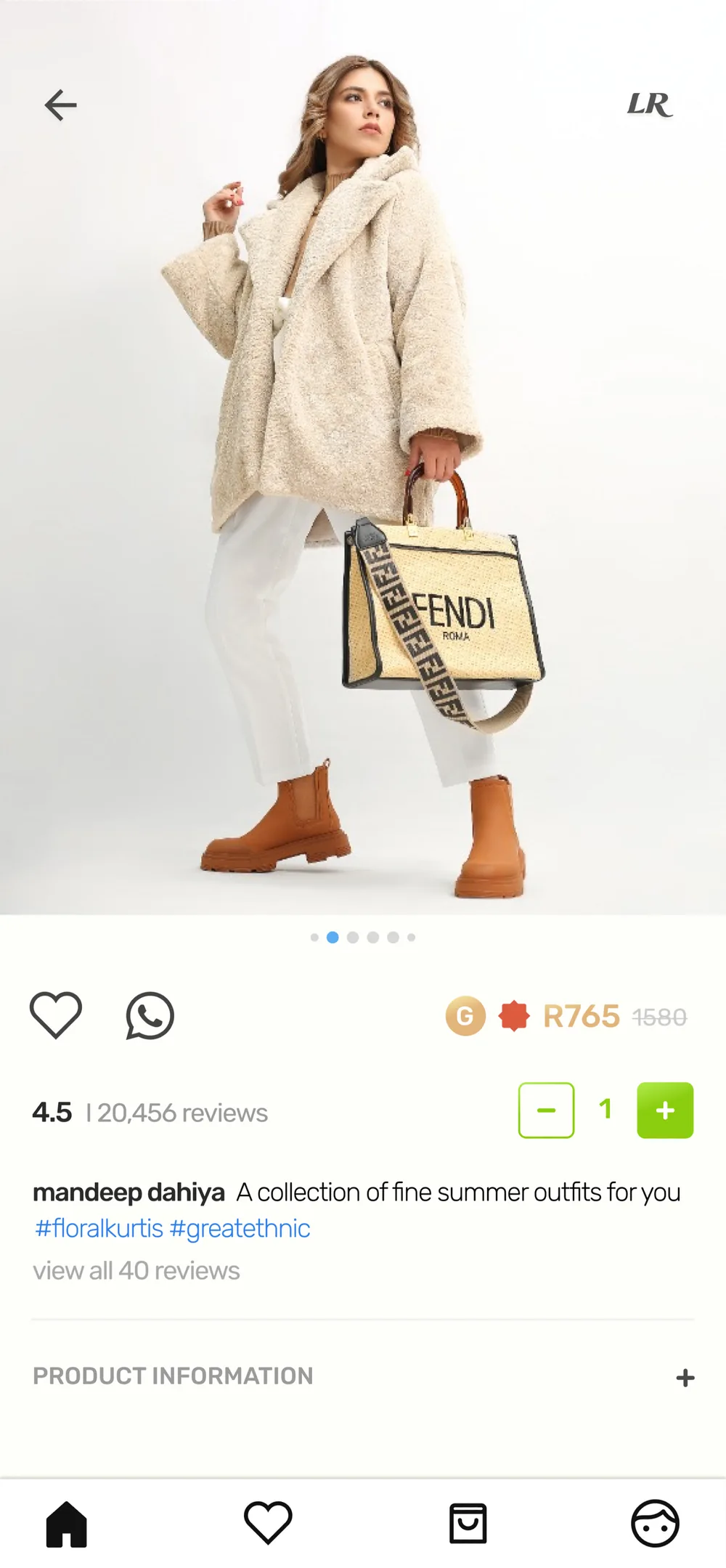
1 of 3
A richer feed
Products that don't identify with your profile are weeded out, so you decide better.
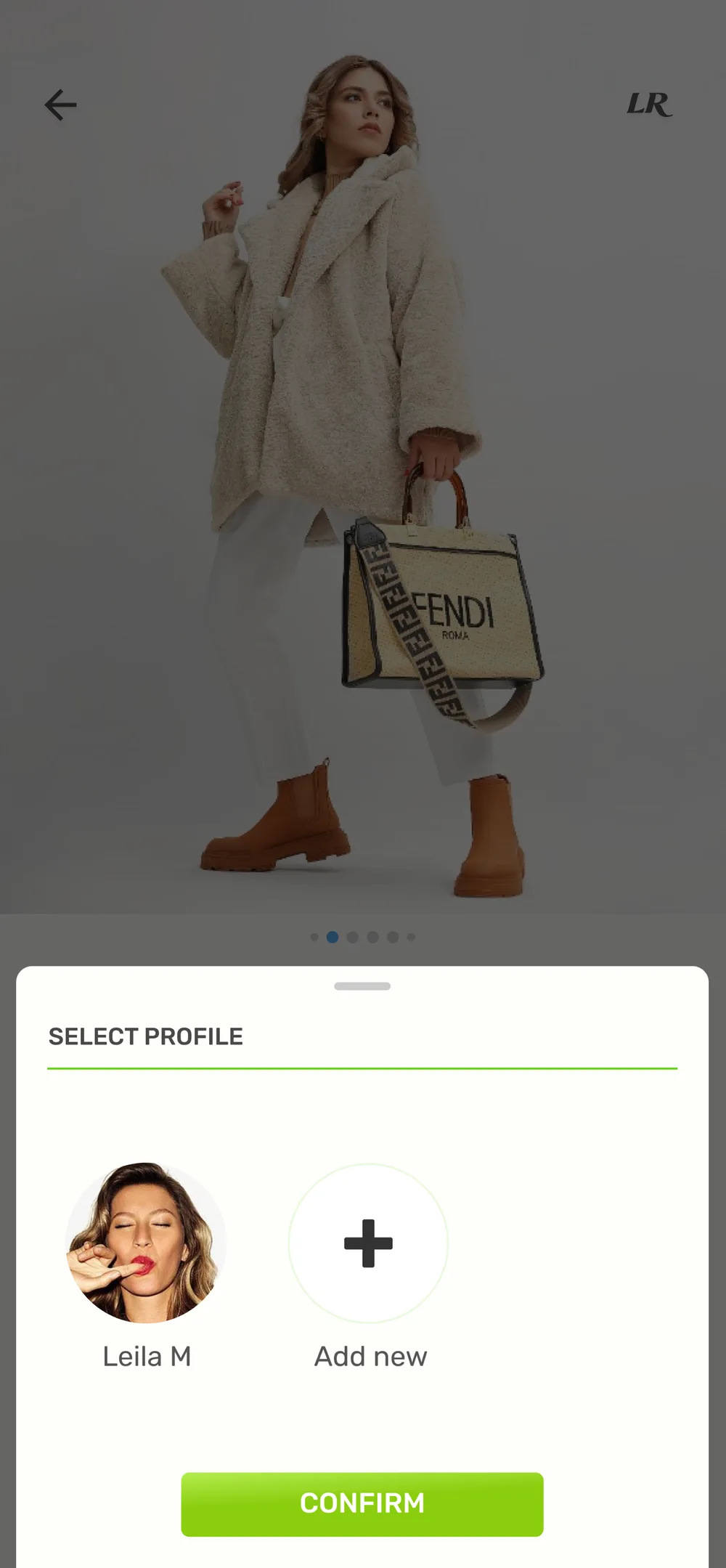
2 of 3
Whose profile?
Choose the profile you're shopping with, or add a new one.
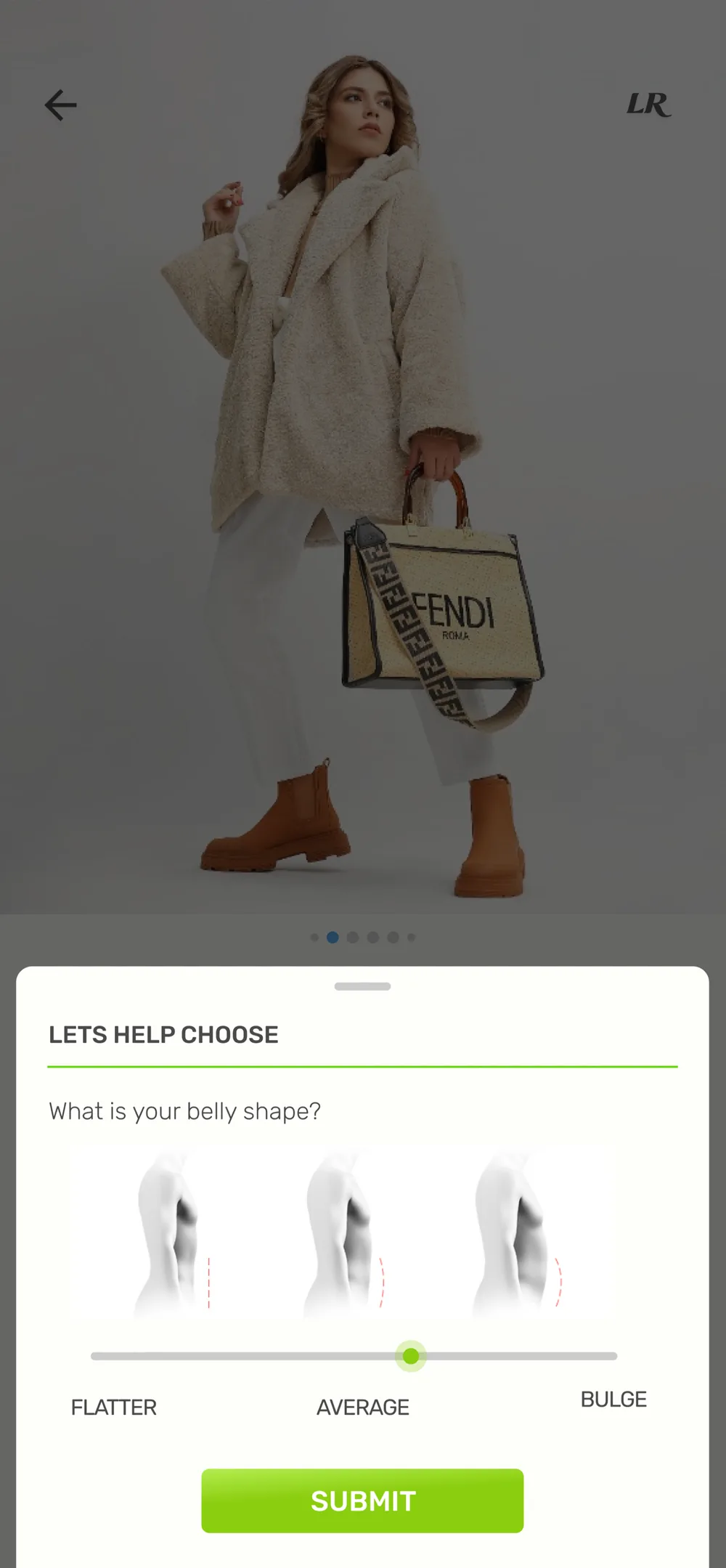
3 of 3
Fit, profiled
One question about shape builds a broader, more pointed size profile, to find the perfect fit.
Size profiling gave our supply chain a standard size understanding. Owning the profile became the moat LimeRoad would carry for the long term.
Speed and precision
Then we made the small things fast.
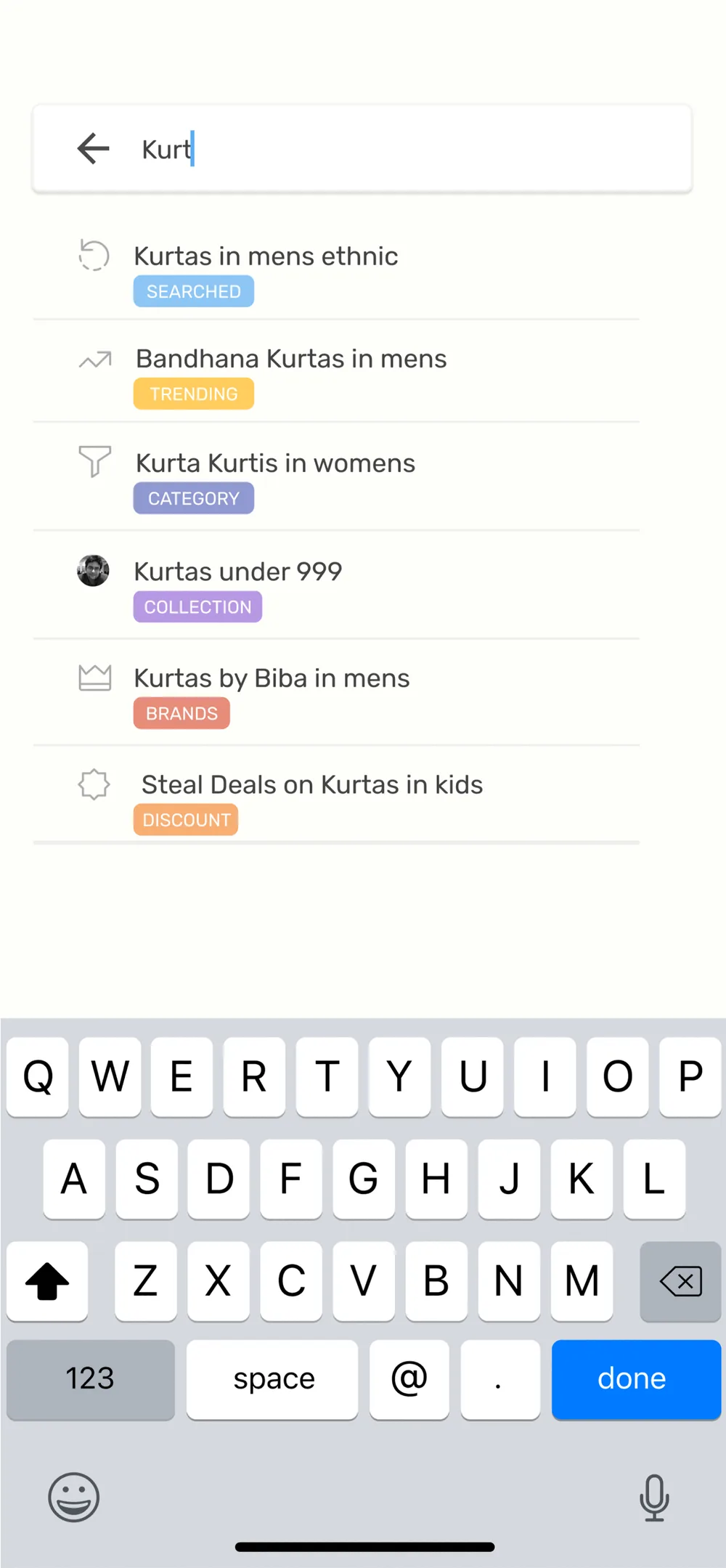
01Search for typing and tapping
Every suggestion says where it leads.
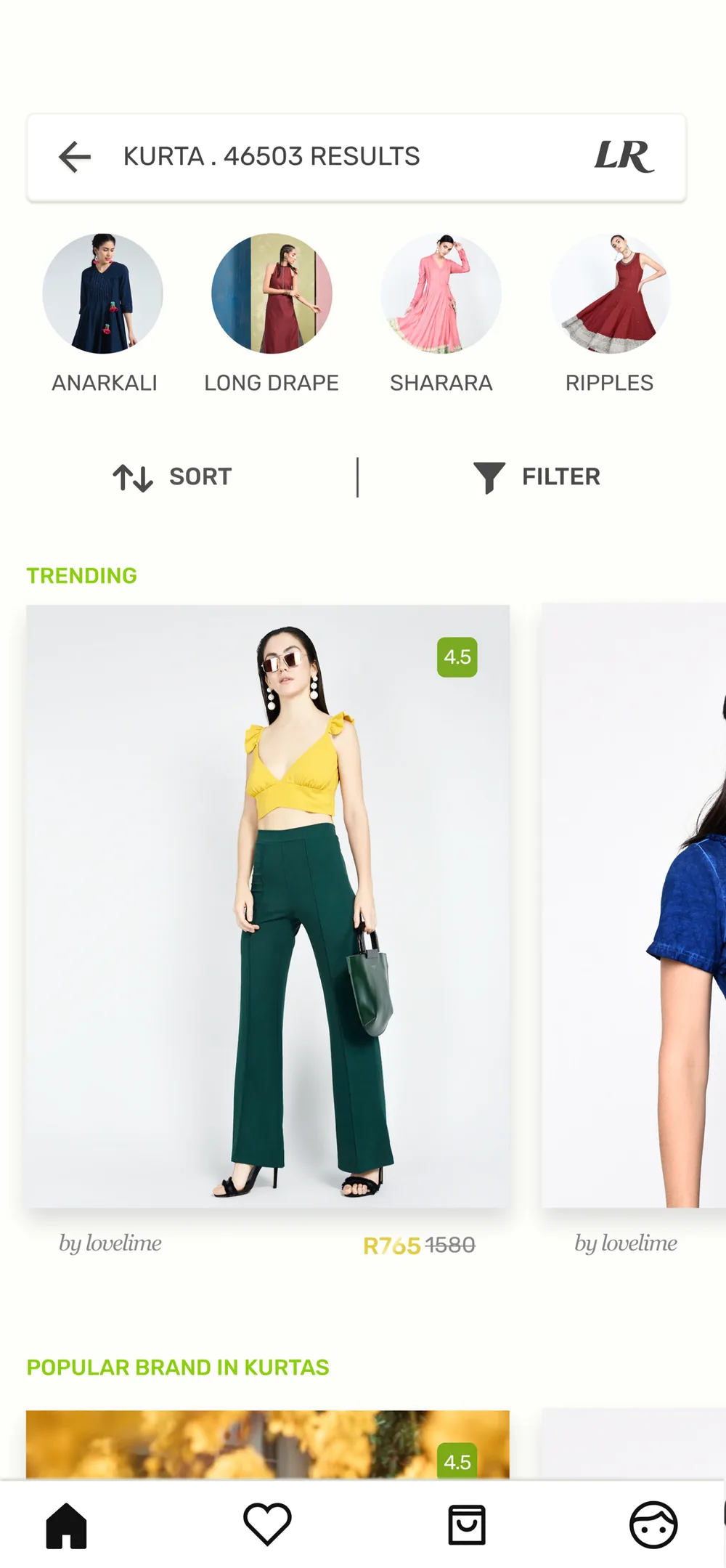
02Results, by style
Styles you can see, not words you must know.
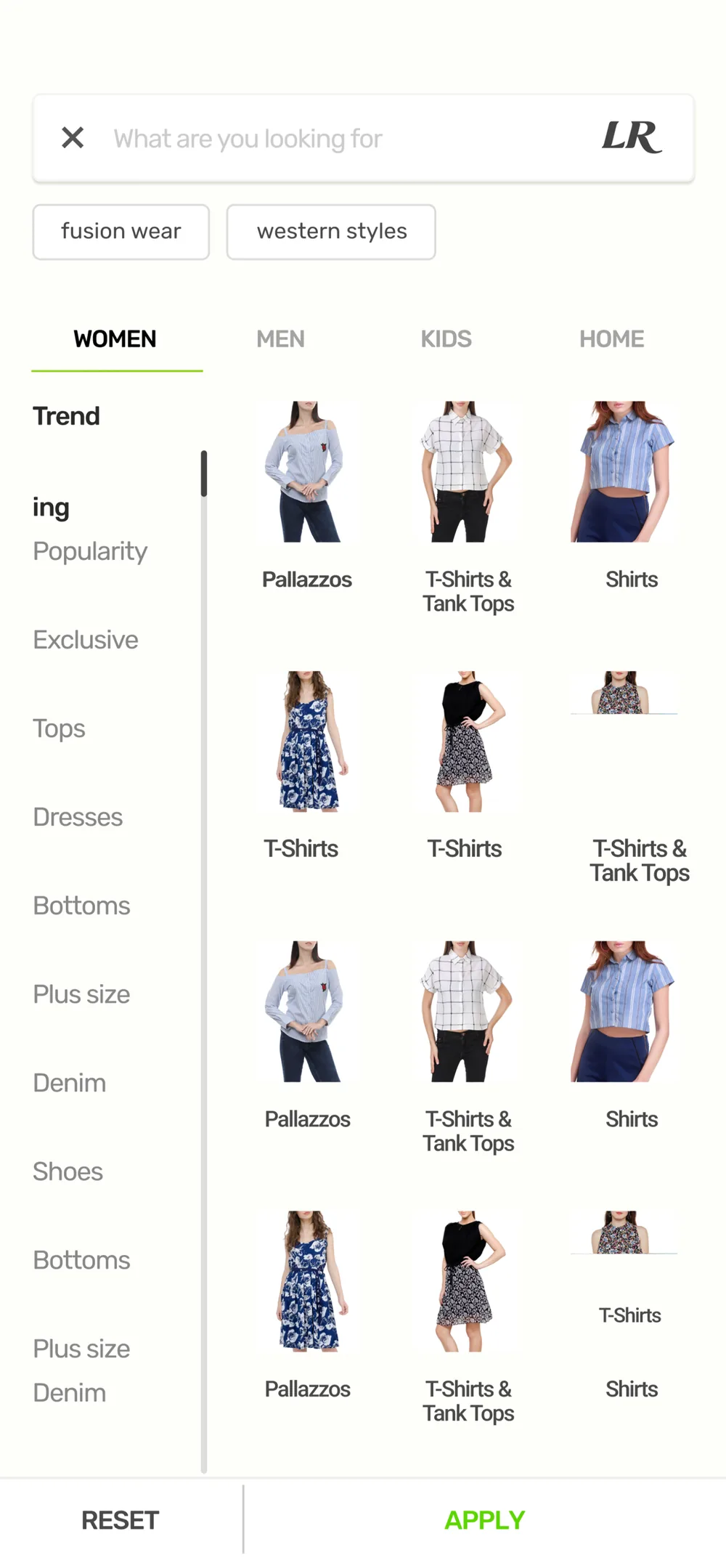
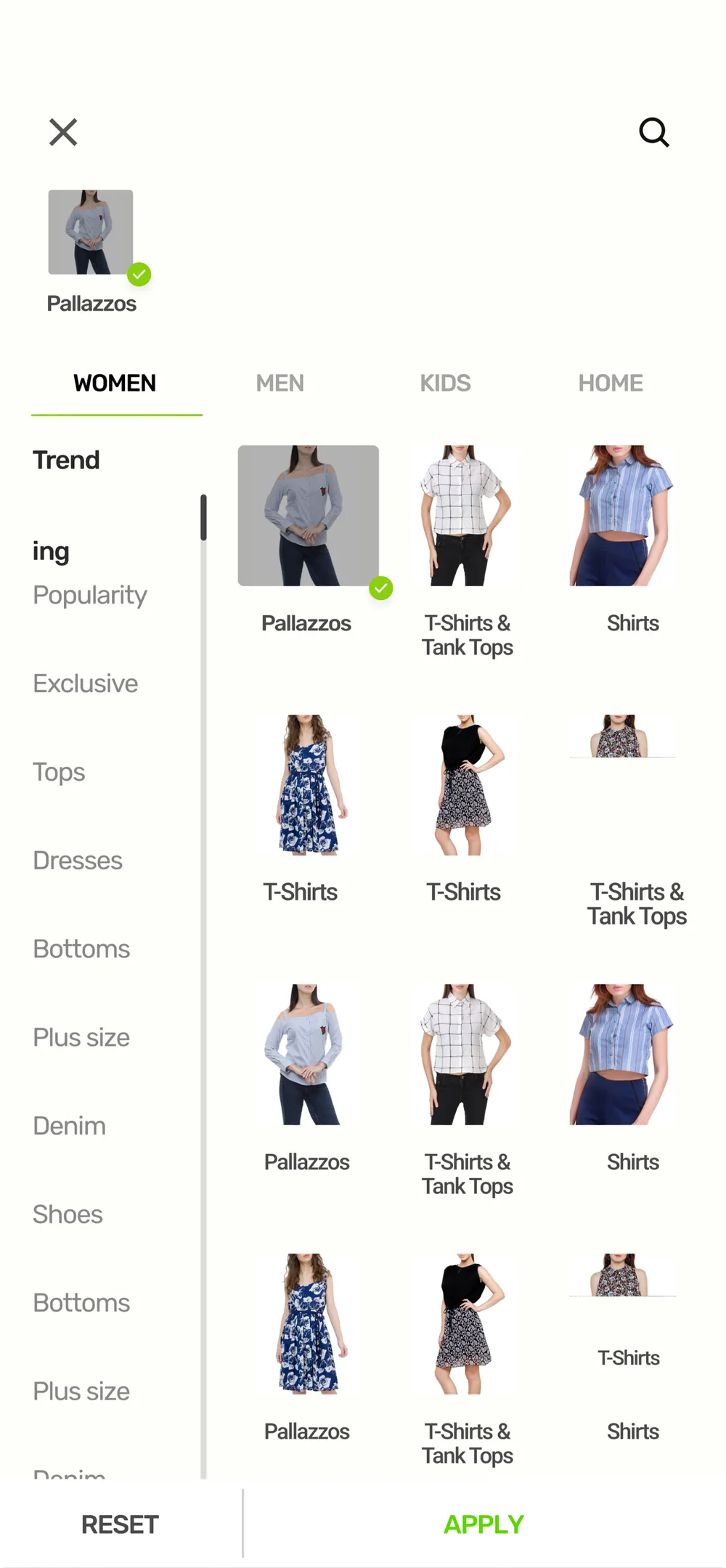
03Filters with images
Pictures make new designs easy to find.
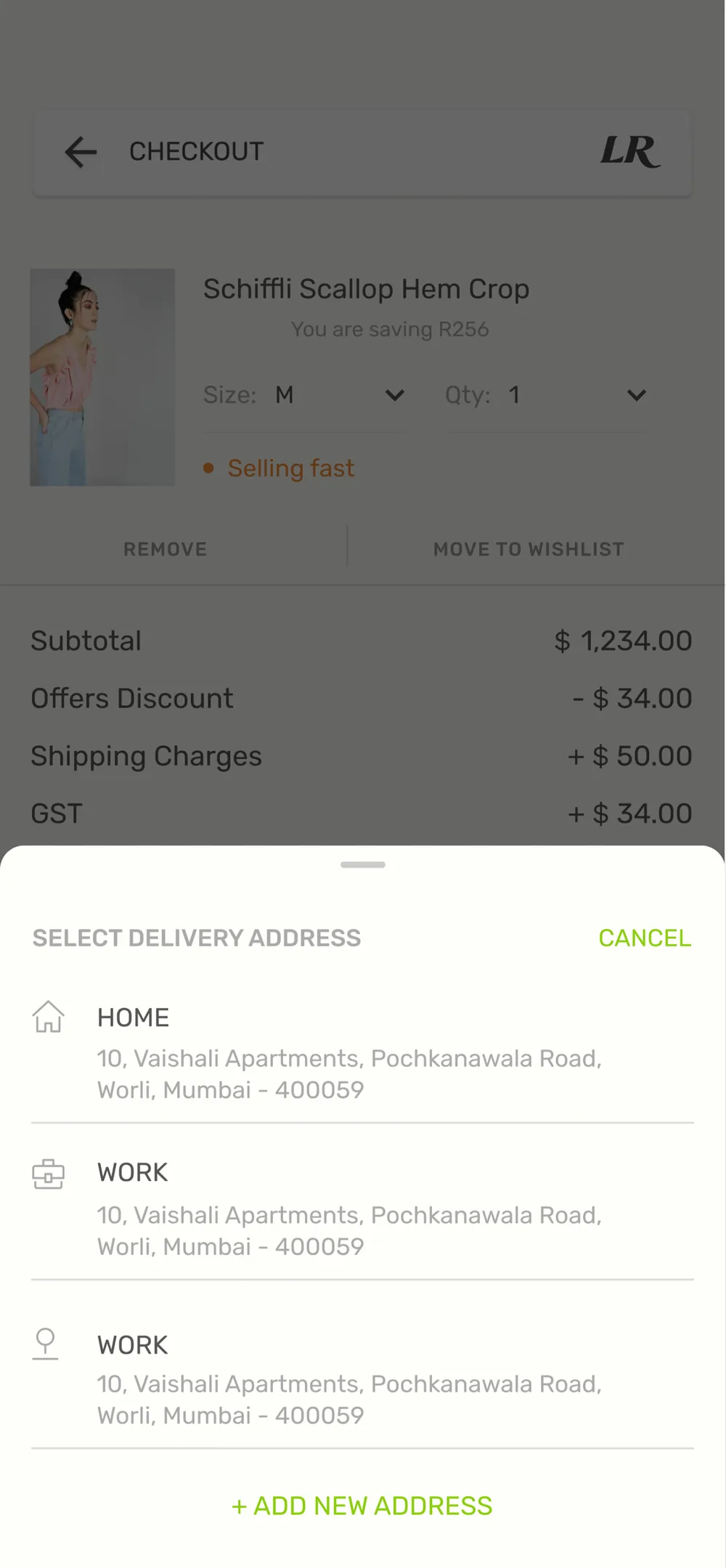
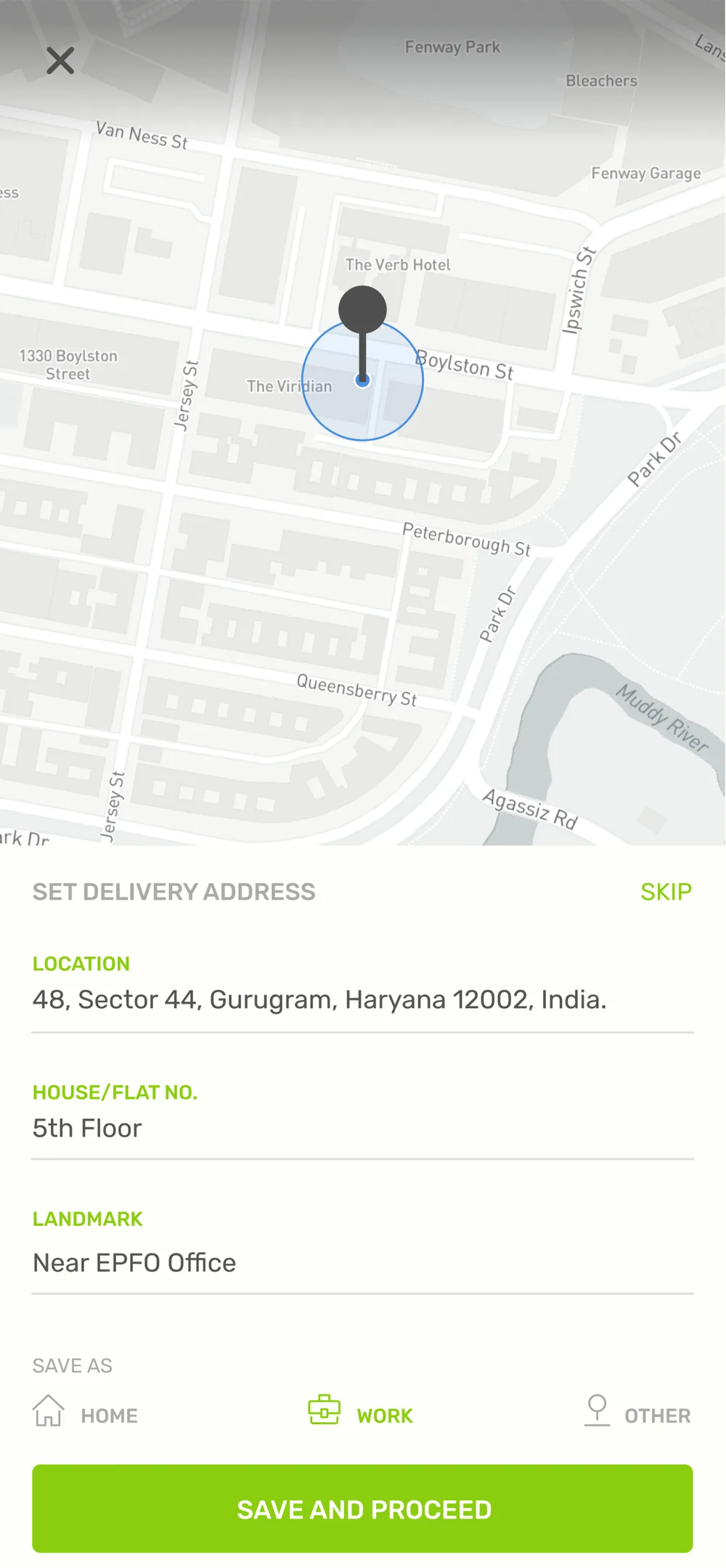
04Addresses for dense cities
A pin and a landmark, for dense cities.
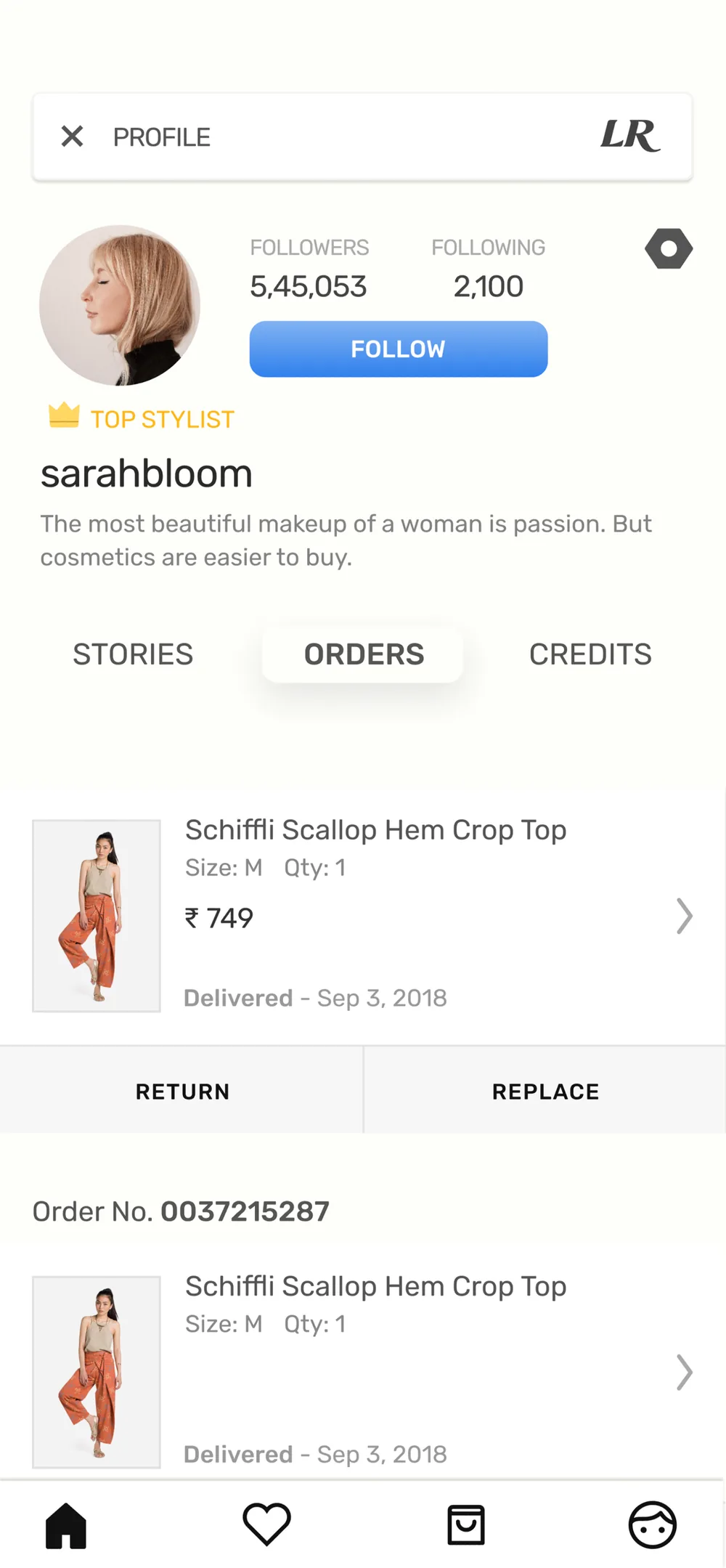
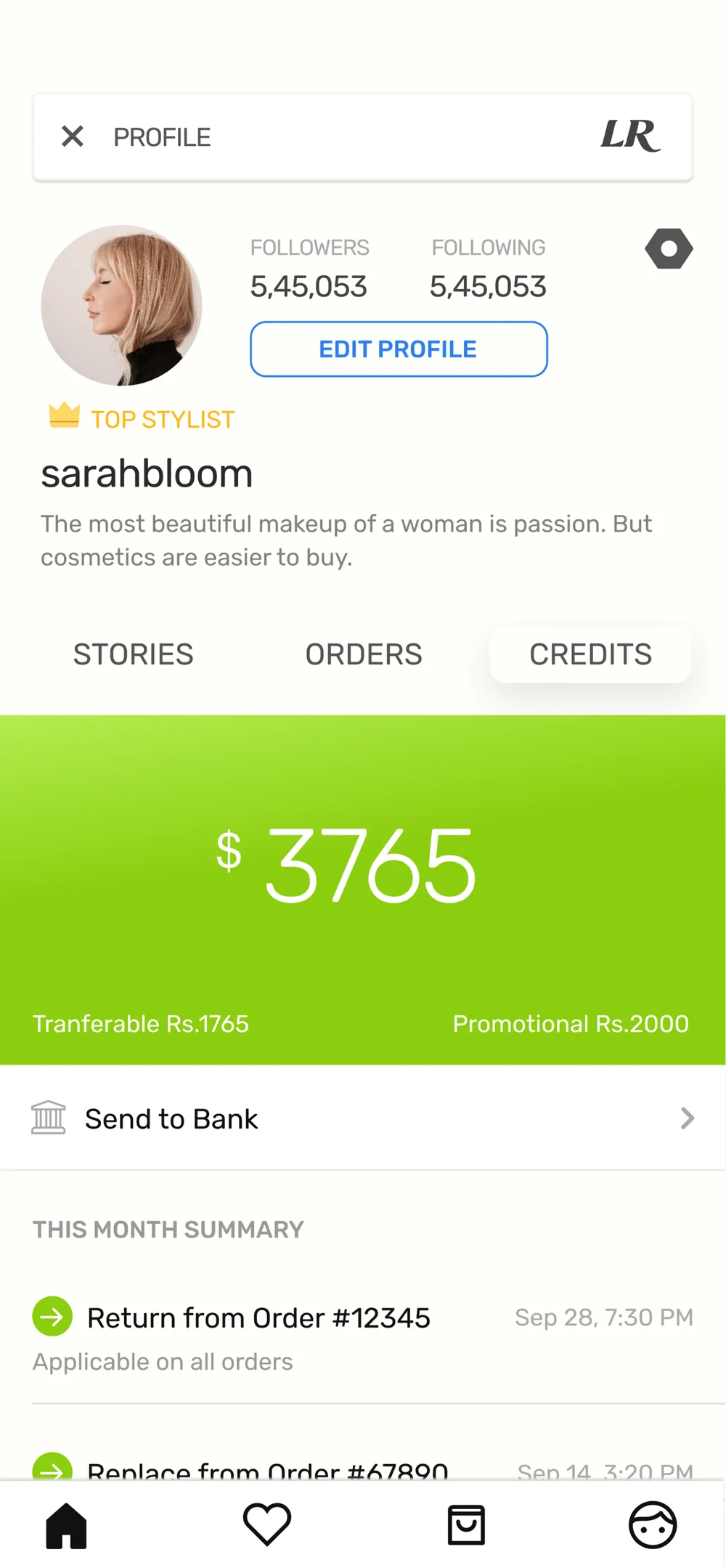
05One profile, stories to orders
Stories, orders and credits in one place.
Team and impact
Speed and precision was how the team worked, too.
I hired three phenomenal designers for their ability to interpret better, prototype fast, craft products that are quickly and immediately understood, and collaborate. We worked in temporary project pods, in big and small batches, with quick observation and rapid prototyping for feedback.
3
Designers hired, working in temporary project pods across big and small batches.
30%
Conversion upticks from small batches like search, filters, product page and post-order, along with fewer orders returned to origin.
10x
A culture of growth from the big batch we called sugar and trust, built on fashion discovery and high NPS.
- Project
- Consumer app
2018 - Role
- Hozefa Ayyajiwala
Product design, Head of Design - Team
- Vaibhav Singh Engineering Head
Mandeep Dahiya Product Manager
Suchi Mukherjee Founder and CEO - Purpose
- Contributed to the central purpose of dopamine-led social commerce.
Selected work